
The Eternal Battle: Koenigsegg vs. Bugatti — Who’s Really Cooler?
In the hypercar universe, few rivalries ignite as much passion and debate as Koenigsegg versus Bugatti. Both brands represent the pinnacle of automotive engineering, exclusivity, and jaw-dropping performance — but their philosophies, technologies, and approaches couldn’t be more different. When these two titans go head-to-head, the question inevitably arises: who’s really cooler?
Origins and Brand Philosophy
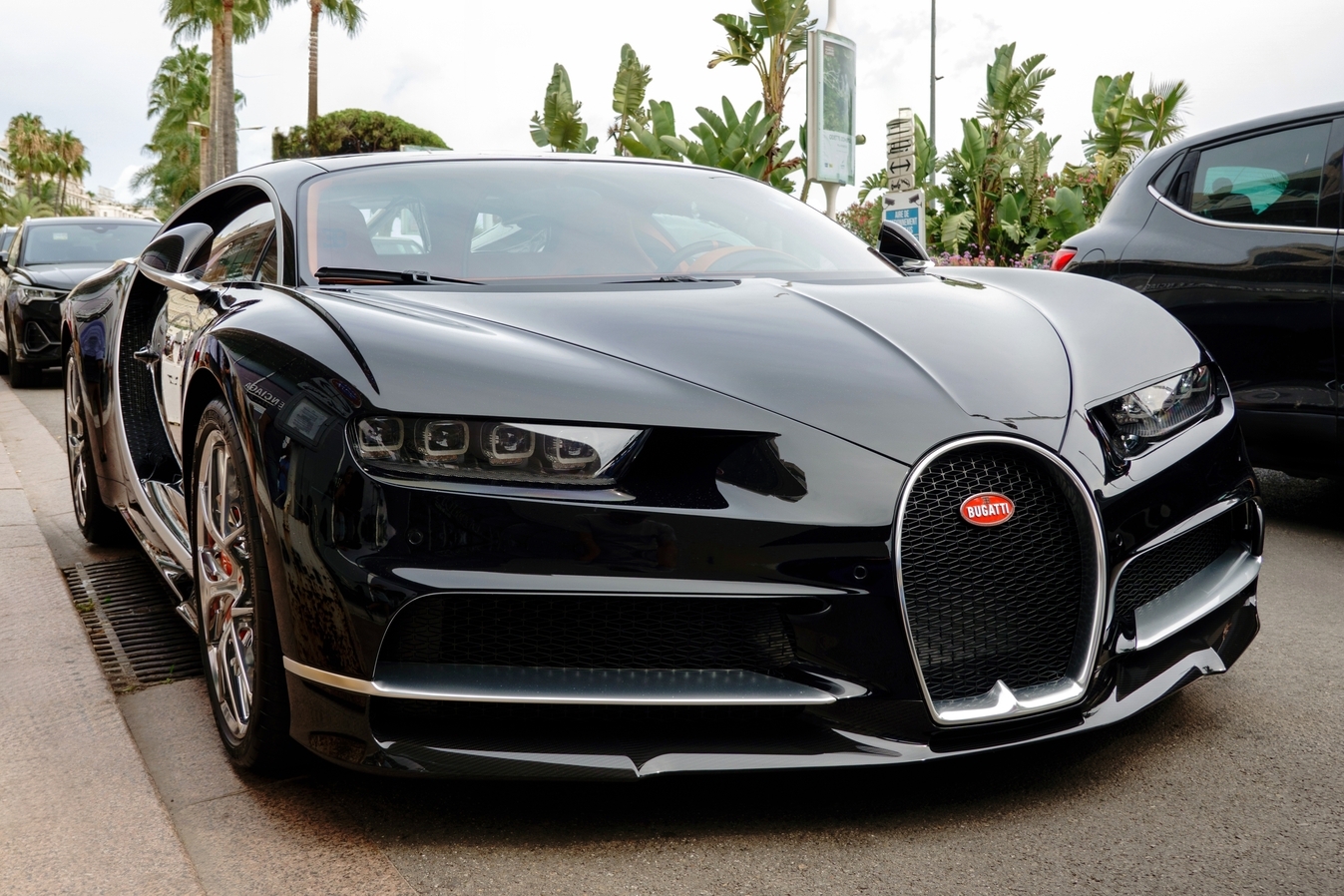
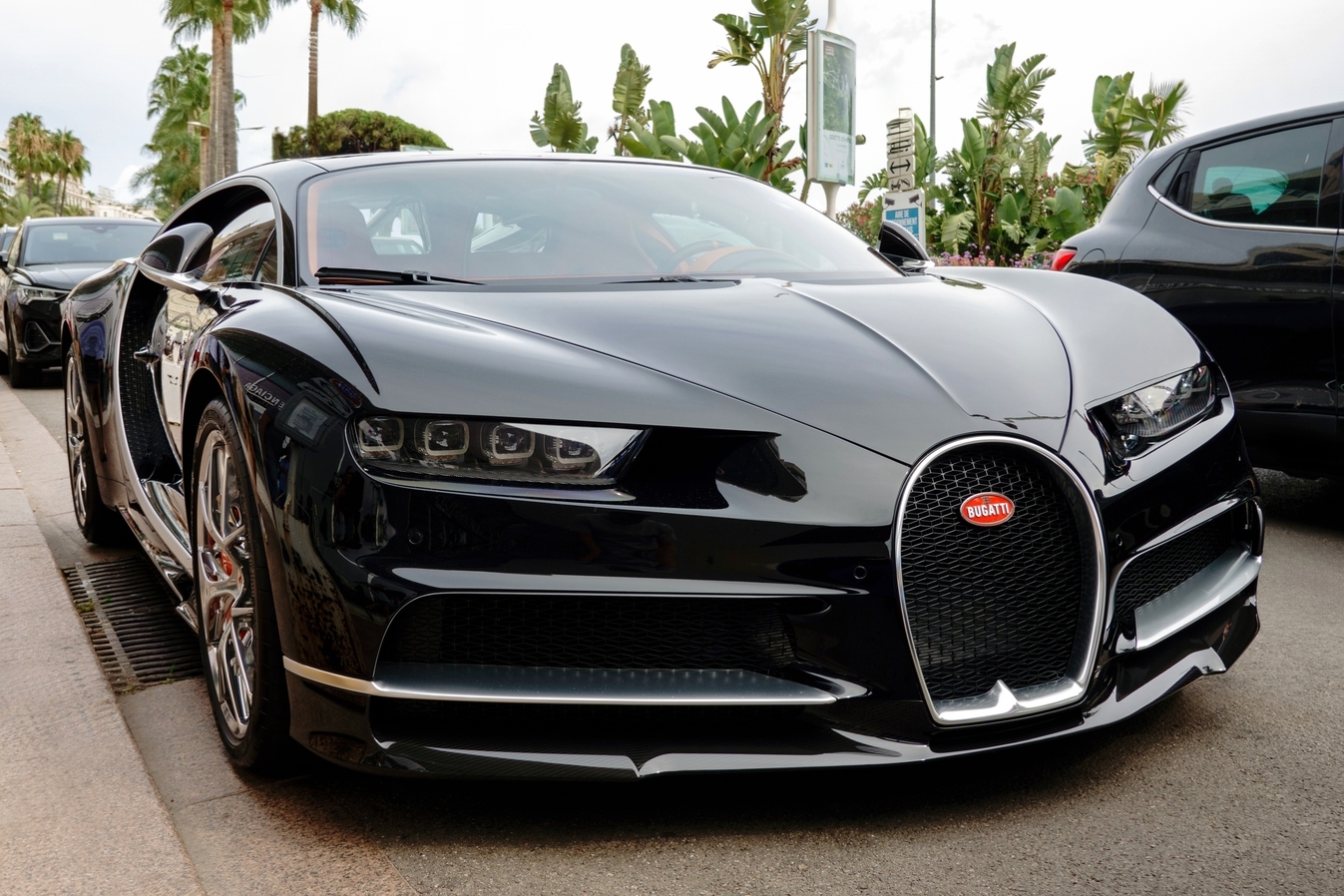
Bugatti, with roots dating back to 1909, embodies old-world luxury fused with modern tech. After Volkswagen Group revived the brand in the late 1990s, Bugatti positioned itself as the ultimate expression of automotive opulence and speed. Their cars — most notably the Veyron and Chiron — are built to shatter speed records while enveloping passengers in unparalleled comfort.
In the hypercar universe, few rivalries ignite as much passion and debate as Koenigsegg versus Bugatti. Both brands represent the pinnacle of automotive engineering, exclusivity, and jaw-dropping performance — but their philosophies, technologies, and approaches couldn’t be more different. When these two titans go head-to-head, the question inevitably arises: who’s really cooler?
Origins and Brand Philosophy
Bugatti, with roots dating back to 1909, embodies old-world luxury fused with modern tech. After Volkswagen Group revived the brand in the late 1990s, Bugatti positioned itself as the ultimate expression of automotive opulence and speed. Their cars — most notably the Veyron and Chiron — are built to shatter speed records while enveloping passengers in unparalleled comfort.
Koenigsegg, by contrast, is a relatively young Swedish boutique manufacturer, founded in 1994 by Christian von Koenigsegg. The company’s DNA is pure innovation and engineering audacity. Koenigsegg hypercars aren’t just about speed; they’re technological laboratories pushing the limits of physics with groundbreaking designs like the Light Speed Transmission and camless engines.
Performance Showdown
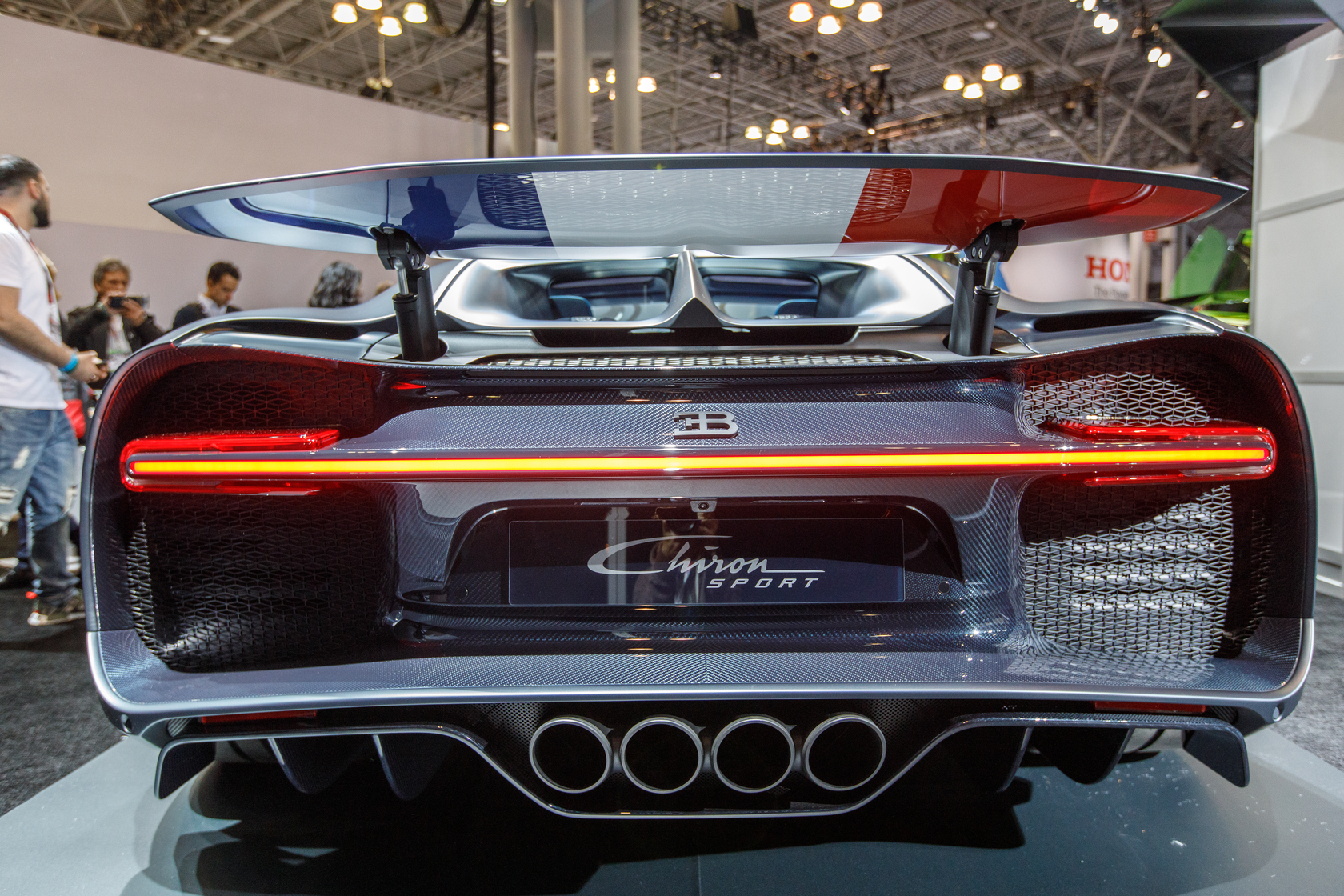
Bugatti’s Chiron Super Sport 300+ famously broke the 300 mph barrier, reaching 304 mph in 2019 — a milestone in automotive history. It packs a quad-turbocharged 8.0-liter W16 engine producing 1,577 horsepower, delivering brutal power and straight-line dominance.
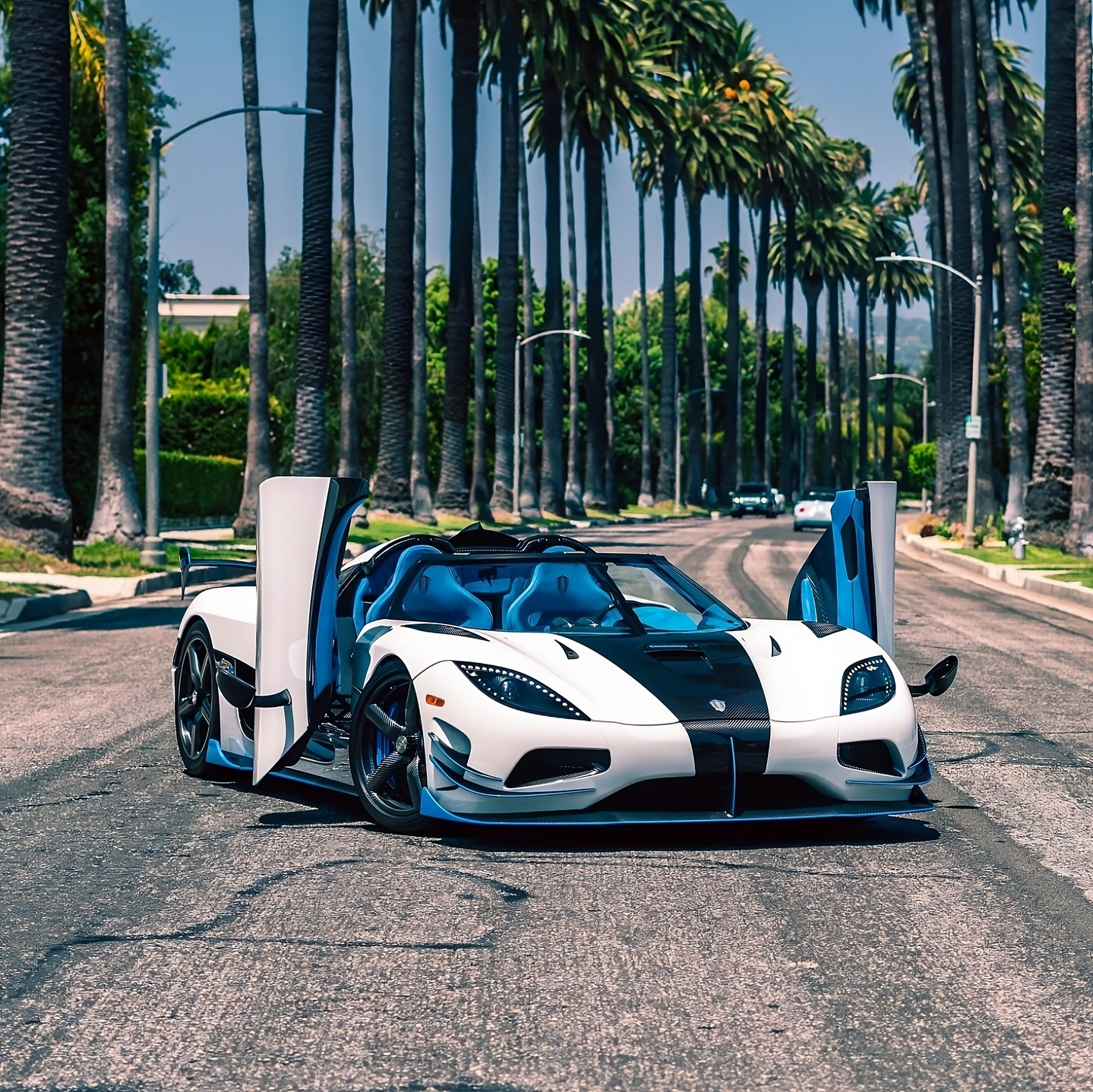
Koenigsegg counters with the Jesko Absolut and Agera RS, boasting incredible power-to-weight ratios and innovative aerodynamics. The Jesko Absolut, with up to 1,600 horsepower on E85 fuel, is designed for ultra-high-speed runs and claims a theoretical top speed exceeding 300 mph, though official runs are pending.
While Bugatti emphasizes raw horsepower and grand touring comfort, Koenigsegg prioritizes lightness, aerodynamic efficiency, and cutting-edge tech — often resulting in a more driver-focused, track-capable experience.
Bugatti’s Chiron Super Sport 300+ famously broke the 300 mph barrier, reaching 304 mph in 2019 — a milestone in automotive history. It packs a quad-turbocharged 8.0-liter W16 engine producing 1,577 horsepower, delivering brutal power and straight-line dominance.
Koenigsegg counters with the Jesko Absolut and Agera RS, boasting incredible power-to-weight ratios and innovative aerodynamics. The Jesko Absolut, with up to 1,600 horsepower on E85 fuel, is designed for ultra-high-speed runs and claims a theoretical top speed exceeding 300 mph, though official runs are pending.
While Bugatti emphasizes raw horsepower and grand touring comfort, Koenigsegg prioritizes lightness, aerodynamic efficiency, and cutting-edge tech — often resulting in a more driver-focused, track-capable experience.
Design and Exclusivity
Bugatti’s design language screams luxury and presence: massive, imposing front grilles, sweeping curves, and meticulously crafted interiors with the finest materials. Owning a Bugatti is as much about status and heritage as it is about performance.
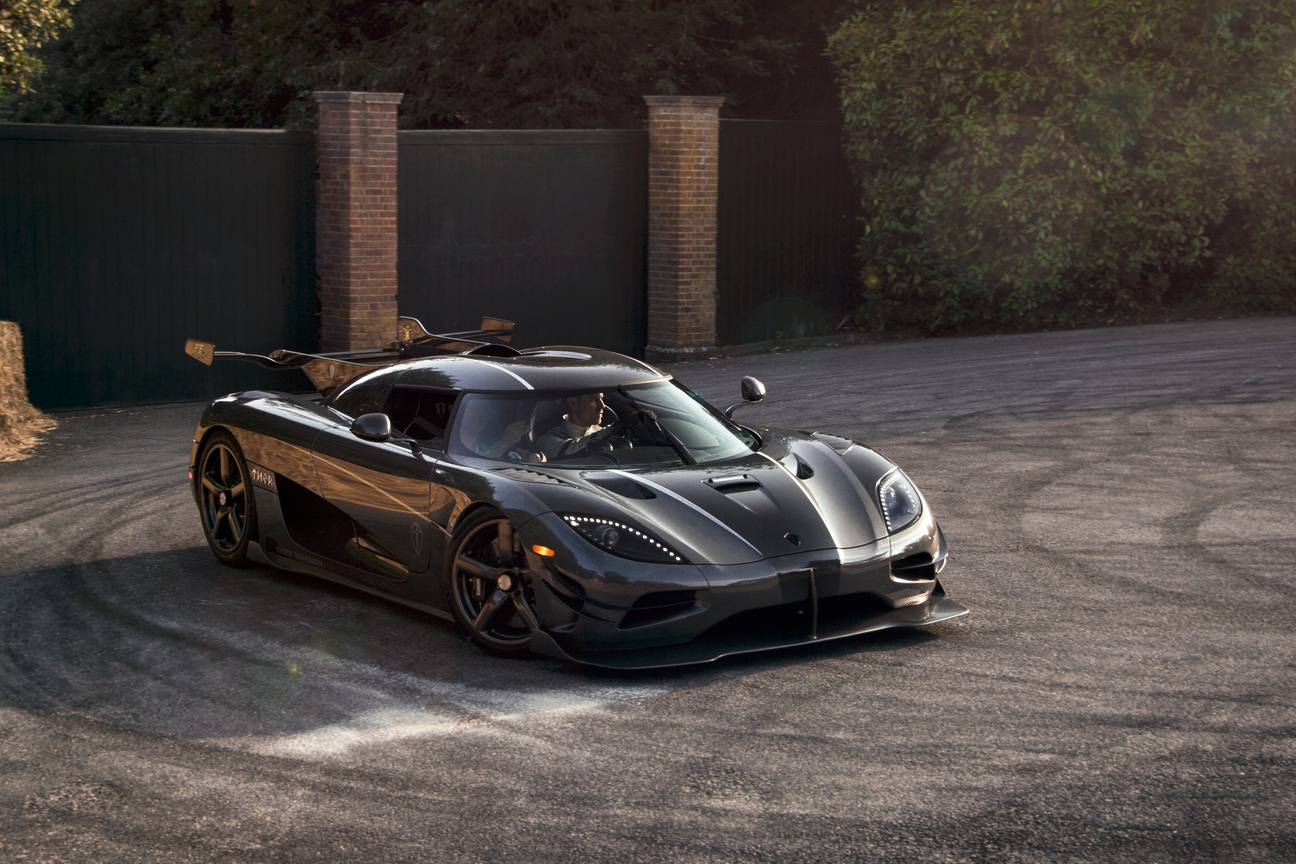
Koenigsegg’s designs are sleek, aerodynamic masterpieces. With signature features like dihedral synchro-helix doors and extensive carbon fiber usage, Koenigsegg hypercars look like spacecraft sculpted for speed. Each car is hand-built and often tailored extensively for its owner, emphasizing bespoke craftsmanship and exclusivity on a different level.
Bugatti’s design language screams luxury and presence: massive, imposing front grilles, sweeping curves, and meticulously crafted interiors with the finest materials. Owning a Bugatti is as much about status and heritage as it is about performance.
Koenigsegg’s designs are sleek, aerodynamic masterpieces. With signature features like dihedral synchro-helix doors and extensive carbon fiber usage, Koenigsegg hypercars look like spacecraft sculpted for speed. Each car is hand-built and often tailored extensively for its owner, emphasizing bespoke craftsmanship and exclusivity on a different level.
Technology and Innovation
Koenigsegg is often seen as the technological innovator. Their groundbreaking 9-speed Light Speed Transmission allows lightning-fast gear changes, and their Freevalve camless engine technology promises efficiency and power improvements beyond conventional designs.
Bugatti, meanwhile, focuses on refining and perfecting a more traditional but monstrous powertrain. The W16 engine is a marvel of engineering, but Bugatti’s innovations often center around thermal management, stability at extreme speeds, and delivering supercar performance with luxury comfort.
Who’s Cooler?
“Coolness” is subjective, but here are some perspectives:
Bugatti fans appreciate heritage, extreme luxury, and record-breaking straight-line speed. The Chiron is a hyper-luxury missile that can swallow long distances effortlessly.
Koenigsegg enthusiasts value bleeding-edge tech, innovation, and a rawer, more exclusive experience. Their cars feel like they’re from the future — rare, revolutionary, and driver-focused.
Ultimately, the battle between Koenigsegg and Bugatti isn’t just about specs — it’s about what you want from a hypercar. If you crave opulence and a prestigious badge with blistering speed, Bugatti delivers. If you want a groundbreaking machine that pushes physics itself, Koenigsegg reigns supreme.
Koenigsegg is often seen as the technological innovator. Their groundbreaking 9-speed Light Speed Transmission allows lightning-fast gear changes, and their Freevalve camless engine technology promises efficiency and power improvements beyond conventional designs.
Bugatti, meanwhile, focuses on refining and perfecting a more traditional but monstrous powertrain. The W16 engine is a marvel of engineering, but Bugatti’s innovations often center around thermal management, stability at extreme speeds, and delivering supercar performance with luxury comfort.
Who’s Cooler?
“Coolness” is subjective, but here are some perspectives:
Bugatti fans appreciate heritage, extreme luxury, and record-breaking straight-line speed. The Chiron is a hyper-luxury missile that can swallow long distances effortlessly.
Koenigsegg enthusiasts value bleeding-edge tech, innovation, and a rawer, more exclusive experience. Their cars feel like they’re from the future — rare, revolutionary, and driver-focused.
Ultimately, the battle between Koenigsegg and Bugatti isn’t just about specs — it’s about what you want from a hypercar. If you crave opulence and a prestigious badge with blistering speed, Bugatti delivers. If you want a groundbreaking machine that pushes physics itself, Koenigsegg reigns supreme.